Scottish Highland Games
Scottish people, both in Scotland and around the world, are proud of their heritage and celebrate the Highland Games in spring and summer as a way to celebrate Scottish and Celtic culture. The largest such event in Scotland is the Cowal Highland Gathering, or Highland Games, held in Dunoon, Scotland every August, usually the last weekend of the month. It attracts around 3,500 competitors and approximately 23,000 spectators.
Bagpipes and Highland Dancing are common features of the Highland games, but the focus of the games are the sporting events, the most famous of which is the caber toss. Competitors balance a 20 feet tall pine log in the 12 o’clock position, run, and throw it. The competitors are judged on how closely their tossed log lands to 12 o'clock.
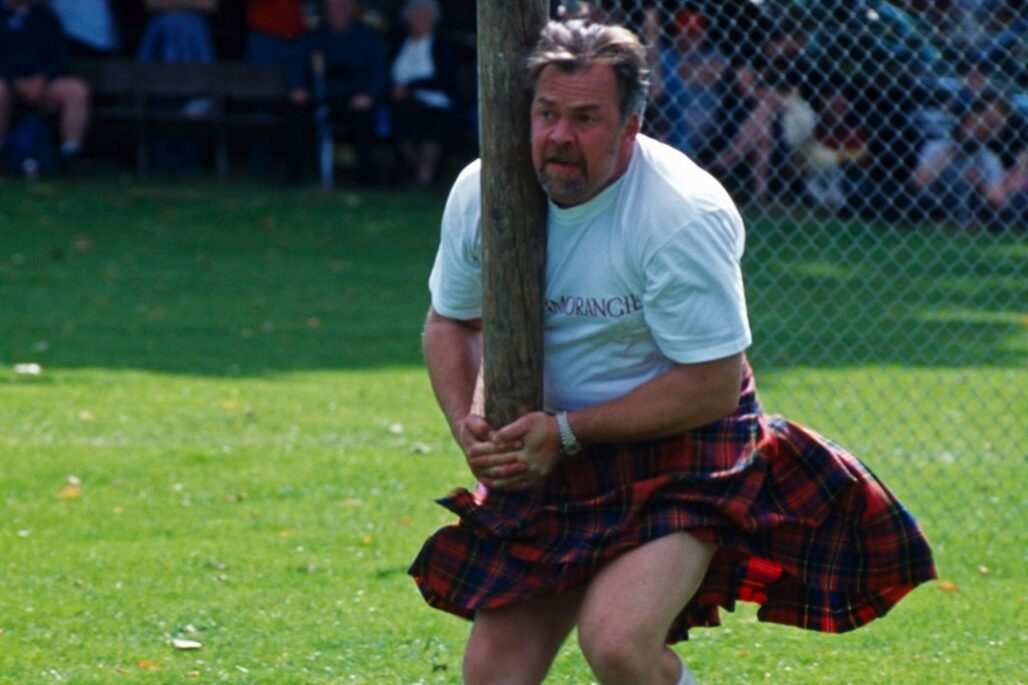
The Gaelic word cabar or kaber means “rafter” or “beam”. One theory is that men who needed to cross small rivers would throw logs in this way to form a makeshift bridge. Another is that it started simply as a show of strength after a long night of whisky drinking.
Historically, these kinds of events were first referenced during the reign of King Malcolm III (1057-1093). He ordered men to race up a local mountain in order to find a royal messenger, and the games developed in order to find the best and strongest men to serve their chiefs. Music and dance were added to provide prestige.
After the eighteenth century Jacobite Rebellion, there were attempts to stamp out Scottish customs and traditions, but they experienced a revival in the nineteenth century, beginning with George IV's visit to Scotland in 1822 and continuing with Queen Victoria's interest in Scottish heritage. Today, the Games are a way to celebrate Scottish pride all around the world.


Comments
Post a Comment